Celtic/Gaulish Goddess Epona
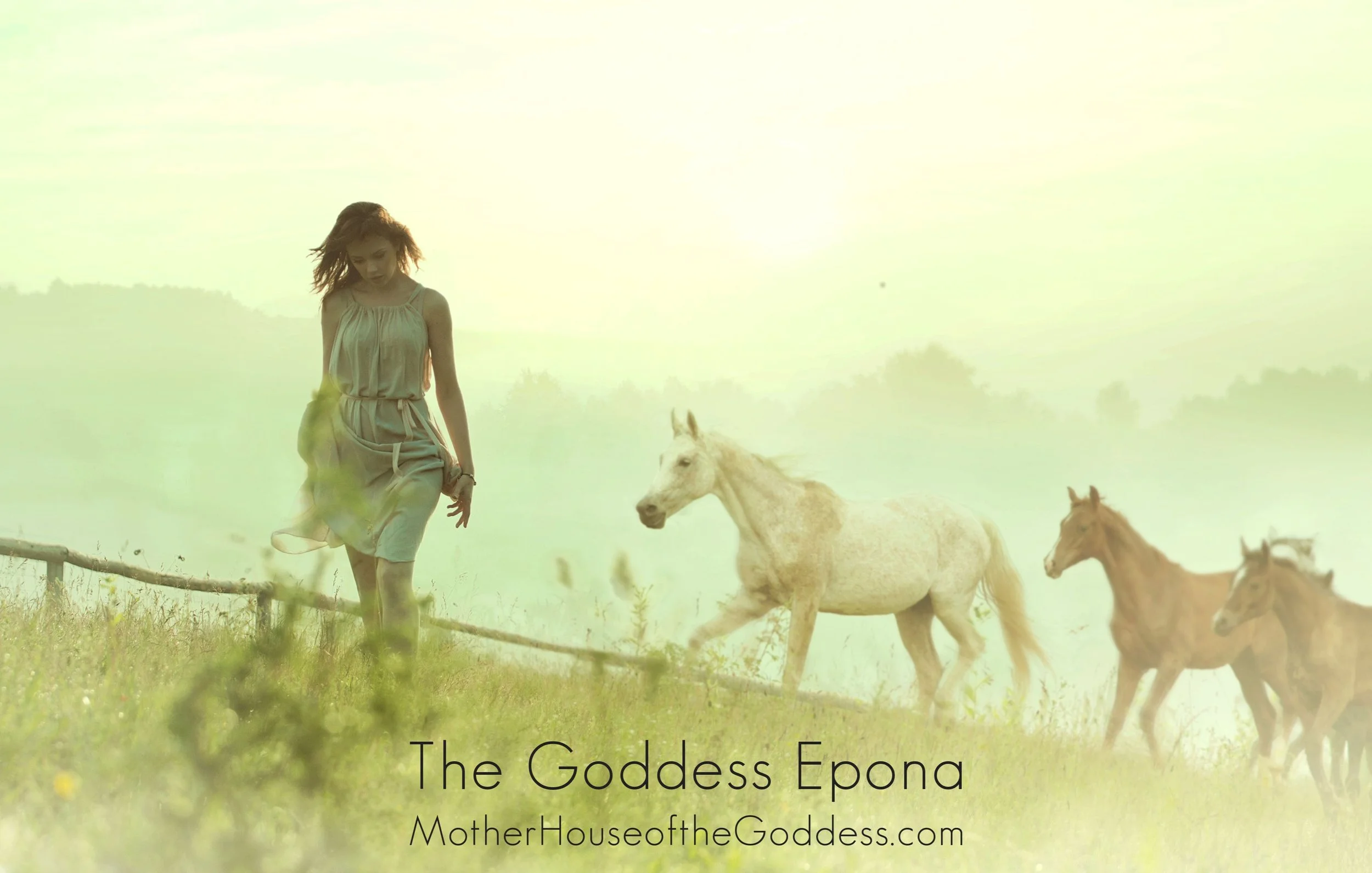
Epona: Horse Goddess of Sovereignty and the Sacred Journey
Epona is the beloved Horse Goddess of the Gauls, the Celtic peoples of ancient France, whose worship spread across much of Europe. One of the most intriguing legends surrounding Her birth tells that She was born from the union of a man and a mare, making Her a liminal being who embodies both the human and the wild. As a shapeshifter, Epona moves effortlessly between worlds, assuming the form of either parent and reminding us that identity is fluid, sacred, and ever-evolving.
Throughout the Celtic lands, Her presence took on different names while preserving Her essential mysteries. In Ireland, many scholars see echoes of Epona in Macha, the fiery Goddess of sovereignty, horses, and battle, whose stories are deeply intertwined with the land and the rightful rule of kings. In Wales, Her qualities are reflected in Rhiannon, the radiant Otherworld Queen who rides a magical white horse and appears prominently in The Mabinogion. Though these Goddesses possess distinct traditions and identities, they share profound themes of horses, sovereignty, liminality, and the sacred passage between worlds.
The reverence for Epona became so widespread that between the first and third centuries CE, Her worship crossed cultural boundaries into the Roman Empire. Remarkably, She became the only Celtic Goddess officially embraced and worshipped in Rome itself. As art historian Phyllis Fray Bober observed, Epona was "the sole Celtic divinity ultimately worshipped in Rome itself." Roman cavalry units carried Her image throughout the empire, honoring Her as the Protectress of horses, riders, travelers, and soldiers. Shrines dedicated to Her were often placed in stables and military encampments, where prayers were offered for safe journeys, faithful companions, and victorious returns.
Epona is most often depicted seated or riding upon a horse, surrounded by foals, or holding a cornucopia overflowing with fruit and grain, symbolizing abundance, nourishment, and fertility. She may also carry a round golden disc or platter, reflecting Her solar qualities and the radiant life-force that courses through both horse and human alike. Among the ancient Celts, horses were symbols of kingship, freedom, wealth, and the power to traverse both the physical world and the unseen realms. As a bestower of sovereignty, Epona was invoked in rites that affirmed the sacred relationship between ruler and land, reminding us that true authority arises through wisdom, integrity, and service rather than domination.
Ways to Connect with Epona
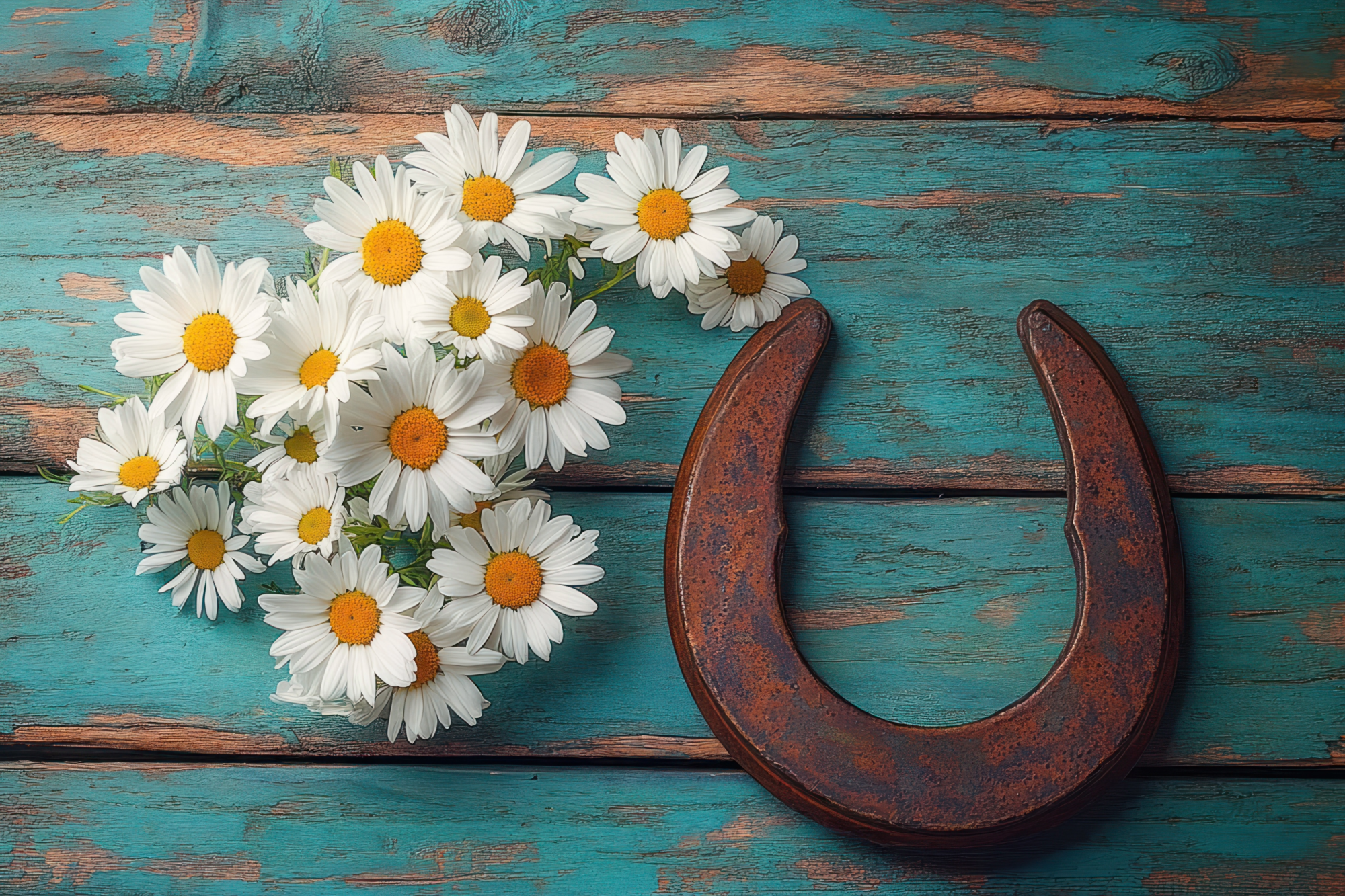
Invite Epona's presence by placing a golden disc or small brass plate upon your altar to symbolize Her solar radiance and the sacred wheel of life's journeys. Decorate your space with horse imagery, horseshoes, or statues of mares and foals, honoring the noble spirit of the horse as Her sacred companion. White, gold, and yellow candles beautifully reflect Her luminous energy, while offerings of oats, apples, fresh spring water, or wildflowers honor both the Goddess and the horses She protects.
Because Epona frequently communicates through dreams and journeys of the soul, keep a dedicated dream journal beside your bed. Record dreams, symbols, intuitive impressions, and meditations immediately upon waking. Over time, patterns often emerge, revealing the quiet guidance of the Horse Goddess. Spending time with horses, supporting horse rescues, walking ancient trails, or taking contemplative journeys through nature are also powerful ways to deepen your relationship with this beloved Celtic Goddess, whose strength continues to carry seekers across the thresholds of transformation.
RESOURCES FOR THE GODDESS EPONA
Encyclopedia of Goddesses & Heroines by Patricia Monaghan
Ancient Mirrors of Womanhood by Merlin Stone
The Mabinogion by Anonymous
Gods of the Celts by Miranda Green
RED PRIESTESS- Goddess Mists, Anointing Oils, and other magickal goodies by Priestess Brandi Auset