The Japanese Goddess Amaterasu
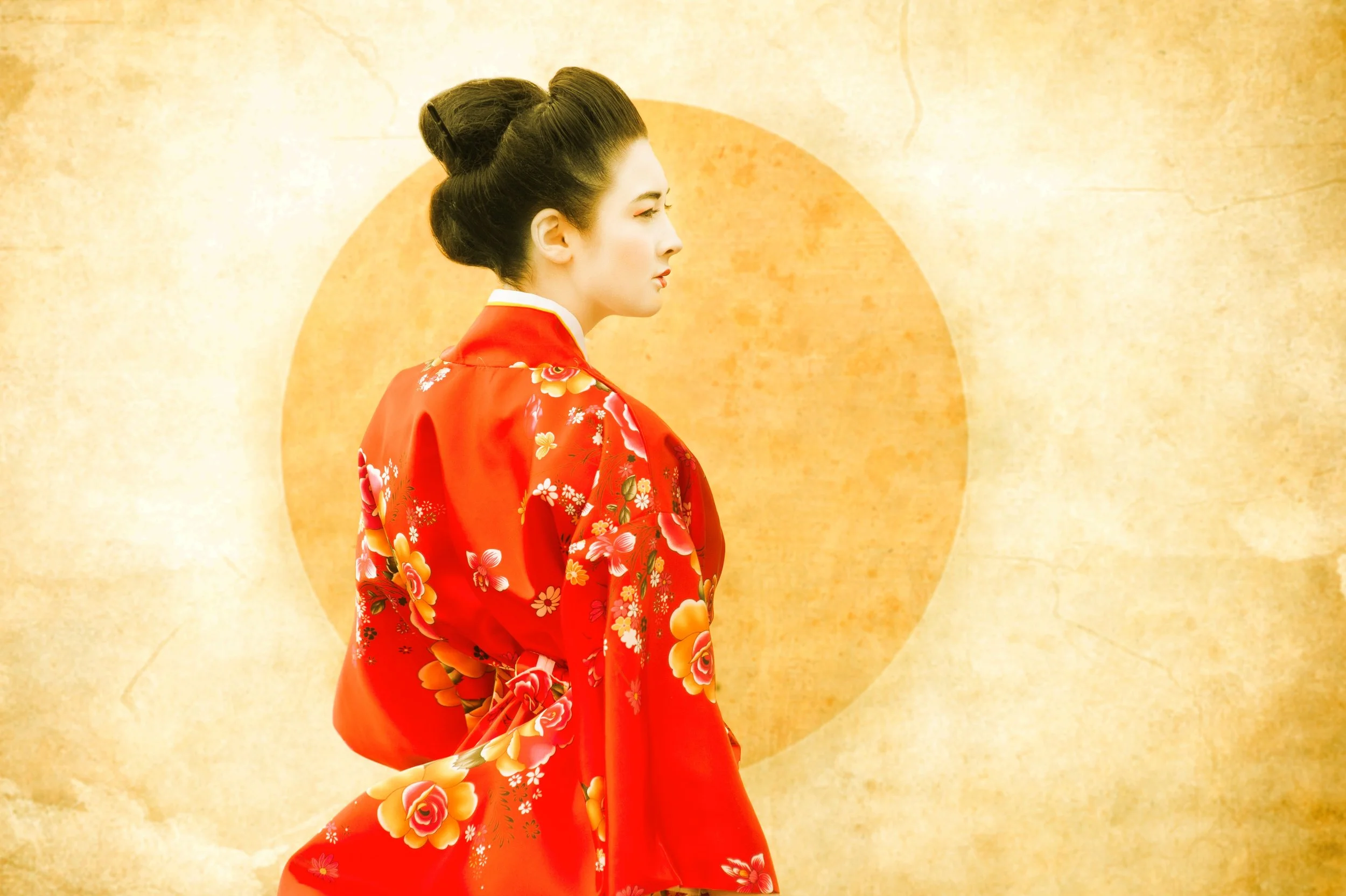
Amaterasu Omikami – Sacred Goddess Illuminating the Sky
Amaterasu Omikami is often translated as “Sacred Goddess Illuminating the Sky,” her name deriving from amateru, meaning “to shine in heaven.” More fully, Amaterasu-ōmikami means “the Great August Kami Who Shines in the Heavens.” She is the radiant Sun Goddess of Japan, ruler of the celestial realm, and one of the most revered deities of Shinto. Embodied as the life-giving sun itself, Amaterasu governs fertility, growth, and abundance. Through her light, plants flourish, nourishing both humanity and the kami. As protectress of the Japanese people, her presence remains woven into the identity of Japan, reflected in the emblem of the rising sun upon the national flag. The Imperial Family of Japan traditionally traces its lineage directly to this luminous Goddess.
The stories of Amaterasu are preserved in the Kojiki, or Record of Ancient Things, the oldest surviving literary work in Japan, completed in 712 C.E. Before being committed to writing, these sacred narratives were passed through generations by oral tradition. The Kojiki contains myths, legends, songs, genealogies, and accounts concerning the origins of the Japanese people and the Imperial Court, preserving the spiritual memory of ancient Japan.
According to the Kojiki, Amaterasu was born during an act of purification performed by the primordial deity Izanagi. After returning from the realm of the dead, Izanagi washed himself in sacred waters. As he cleansed his left eye, Amaterasu emerged in dazzling brilliance. Entrusting her with his sacred necklace, he granted her dominion over the heavens. When Izanagi washed his nose, her brother Susanowo, the Storm God, was born and given rule over the seas and oceans.
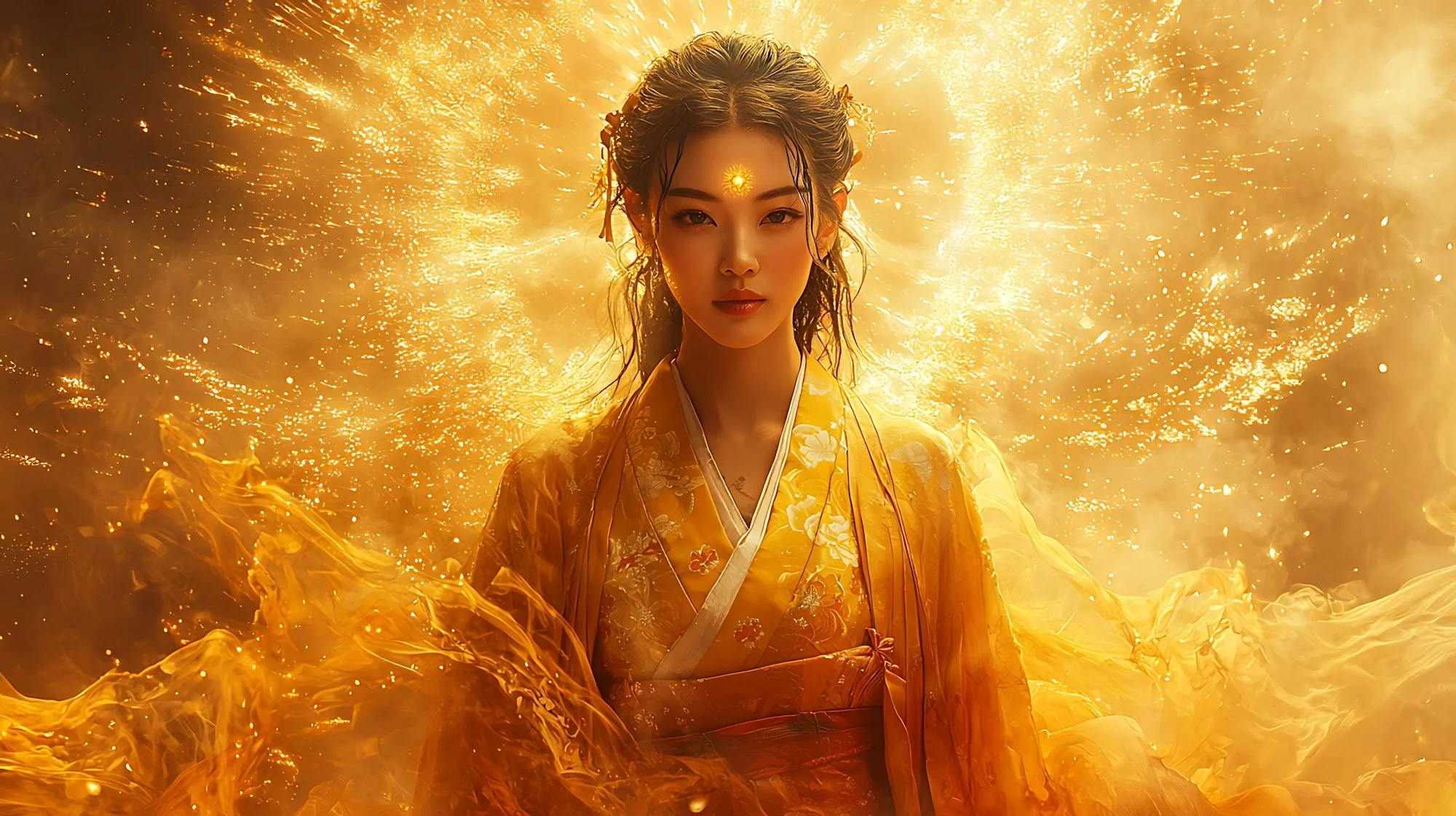
One of the most known myths of Amaterasu centers on her tumultuous relationship with Susanowo. Known for his unruly and destructive nature, Susanowo ascended to Heaven claiming he wished only to bid farewell to his sister before departing. Amaterasu, wary of his intentions, challenged him. To prove his sincerity, Susanowo proposed a ritual contest. He requested five jewels from Amaterasu, declaring that if he could create male deities from them, it would demonstrate the purity of his intentions.
Amaterasu agreed, and Susanowo broke the jewels apart, giving birth to five divine beings. Yet rather than accepting the outcome with dignity, he became intoxicated by his own success. In a frenzy of pride and excitement, he rampaged through Heaven, destroying fields, sacred spaces, and all that stood before him. His final outrage came when he hurled the flayed corpse of a horse through the roof of Amaterasu’s heavenly weaving hall. The violent act caused one of her attendants, Wakahirume, to wound herself with her weaving shuttle and die.
Filled with grief and horror, Amaterasu withdrew from the world. She entered the Ama-no-Iwato, the Heavenly Sky-Rock Cave, and sealed herself within. Deprived of her radiant presence, the world was plunged into darkness. Crops failed, chaos spread, and both Gods and mortals suffered beneath the absence of the Sun.
In desperation, the eight million kami gathered outside the cave and pleaded for her return. Yet Amaterasu remained hidden.
Then the Goddess and Shamaness Uzume arrived. Rather than adding her voice to the chorus of pleading, she assessed the situation with wisdom and creativity. Climbing atop an overturned wash tub, Uzume began to dance. Her movements became wild, ecstatic, and delightfully outrageous. She sang, laughed, shouted bawdy jokes, and stripped away her garments in a performance so unexpected that the assembled Gods erupted into laughter and applause.
Inside the cave, Amaterasu heard the sounds of merriment and celebration. Confused, she wondered how joy could exist without the light of her presence. Curiosity slowly overcame her sorrow. Opening the cave door just a crack, she peered outside.
Waiting before her was the Yata no Kagami, the Great Sacred Mirror. Crafted by the smith Goddess Ishikore-dome, the mirror reflected Amaterasu's brilliance back to herself. Never before had she beheld her own divine radiance. Captivated by the vision, she stepped forward. In that moment, the waiting Gods pulled the cave door fully open and secured it behind her.
The Sun returned to the world.
Light flooded the heavens and earth once more. Life awakened, crops grew, and harmony was restored. Through this myth, Amaterasu teaches not only the power of light, but also the necessity of reflection, renewal, and remembering one's own sacred beauty.
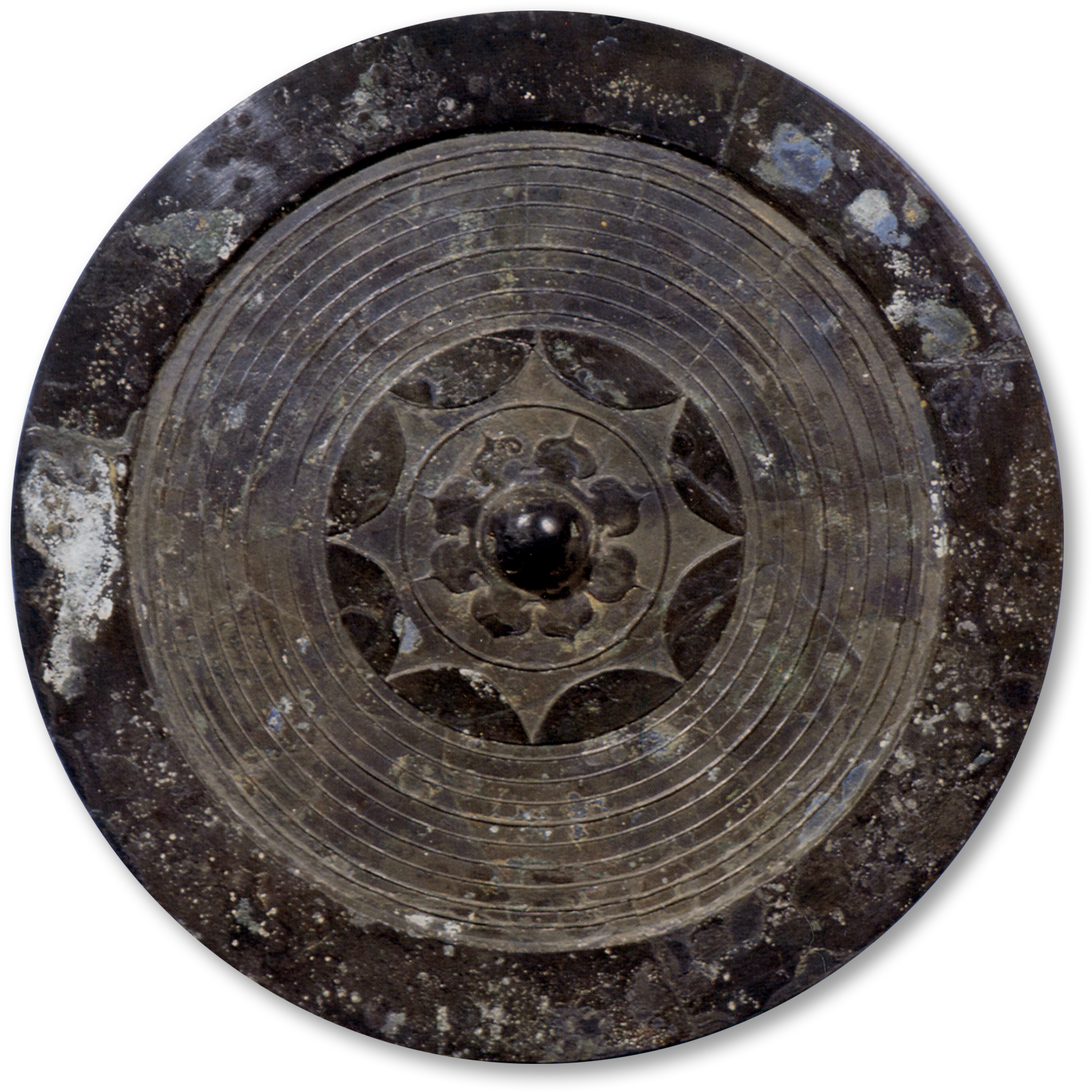
The Mirror of Amaterasu
Sacred Symbols of Amaterasu
Mirror
The Yata no Kagami, the sacred mirror that drew Amaterasu from the cave, remains one of the holiest treasures of Japan. Enshrined at the Great Shrine of Ise, it has been hidden from public view for over fifteen centuries within layers of sacred coverings and containers. Traditionally believed to be eight-sided, it reflects the Shinto association of eight with perfection and abundance. Mirrors are sacred to Amaterasu and symbolize truth, self-reflection, and the condition of the soul. A Japanese proverb teaches: “When the mirror is dim, the soul is not pure.”
Necklace and Jewels
The sacred necklace bestowed upon Amaterasu by Izanagi symbolizes divine authority, beauty, and adornment. It also carries associations with weaving and spinning, as early spindle whorls were often fashioned like beads. One of the sacred jewels associated with Amaterasu is also said to be enshrined at Ise.
Solar Sword
As guardian of the Japanese people, Amaterasu possesses a warrior aspect as well as a nurturing one. The solar sword represents her sovereignty, protection, and willingness to defend harmony and order when necessary.
Together, the Mirror, Jewel, and Sword form the Imperial Regalia of Japan and are among the most sacred symbols of both Shinto tradition and the Japanese nation.
Kites
Kites are beloved symbols of Amaterasu, dancing joyfully beneath her sunlight. On a bright day, one may fly a kite and attach prayers, blessings, or intentions to its tail, allowing them to rise toward the radiant Goddess upon the winds.
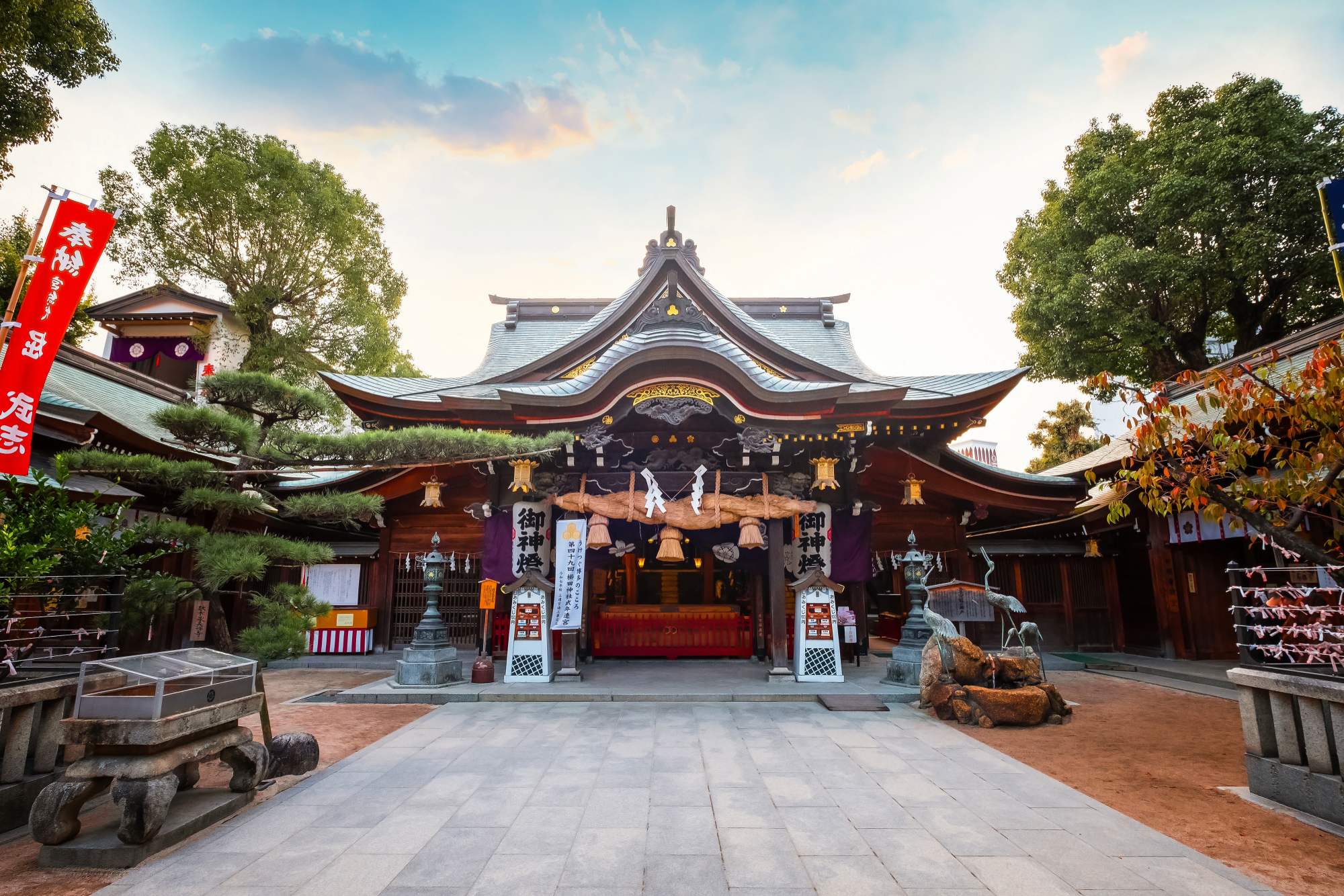
Amaterasu Shrine in Japan
Festivals and Celebrations
Pilgrimages to the Great Shrine of Ise traditionally occur throughout the year, with mid-February and mid-June being especially significant. April and September are also popular pilgrimage seasons. These sacred observances often occur near the solstices and equinoxes, reflecting the cyclical journey of the Sun through the year. Winter Solstice, celebrating the return of the light after the longest night, is particularly appropriate for honoring Amaterasu.
Every twenty years, the Great Shrine of Ise undergoes a remarkable renewal ceremony known as Shikinen Sengu. An entirely new shrine is constructed beside the old one, and the sacred treasures, including the divine mirror, are ceremonially transferred. This ritual echoes the myth of Amaterasu's emergence from the cave and embodies the Shinto understanding of renewal, continuity, and the ever-living nature of the sacred.
Shinto is the indigenous spiritual tradition of Japan and predates the arrival of Buddhism. Deeply rooted in reverence for nature, ancestors, and the kami, Shinto remains a vital part of Japanese life today. Over the centuries, Shinto and Buddhism developed side by side, often blending harmoniously. Many Buddhist figures came to be understood as expressions of kami, while the kami themselves continue to be honored as the sacred life-forces that animate both the natural world and the divine realms.
RESOURCES FOR THE GODDESS AMATERASU
Ancient Mirrors of Womanhood by Merlin Stone
Encyclopedia of Goddesses and Heroines by Patricia Monaghan
Goddess Guide by Brandi Auset
RED PRIESTESS for Goddess prayer beads, malas, & sprays